

Having a rapid skincare routine before I go to bed at night keeps my face from the endless itching fits and red patches that I would expect to get when I'm in the presence of the allergens that I deal with. You remember that awful feeling when you feel like your eyelids sting and your cheeks burn on the moment you lay down in bed. Quick Night Regimen for Allergy Prone Users Quick Night Regimen for Allergy Prone Users Dust mites, airborne pollen and severe beauty products are never alone when it comes to challenging reactive skin. When you're down to a handful of soothing, non-irritating routines, the nightly eruptions don't begin.
Step 1: Strip Daytime Irritants with a Lukewarm Water Rinse
Remove the skin-deposited sunblock before your face comes in contact with anything else. Quick Night Regimen for Allergy Prone Users During the day, pollen and minute dust particles stick to sebum on the face, while the soot from vehicles remains on the face. You can't jump in bed without rinsing and wind up grinding those allergens for eight hours into your pores.
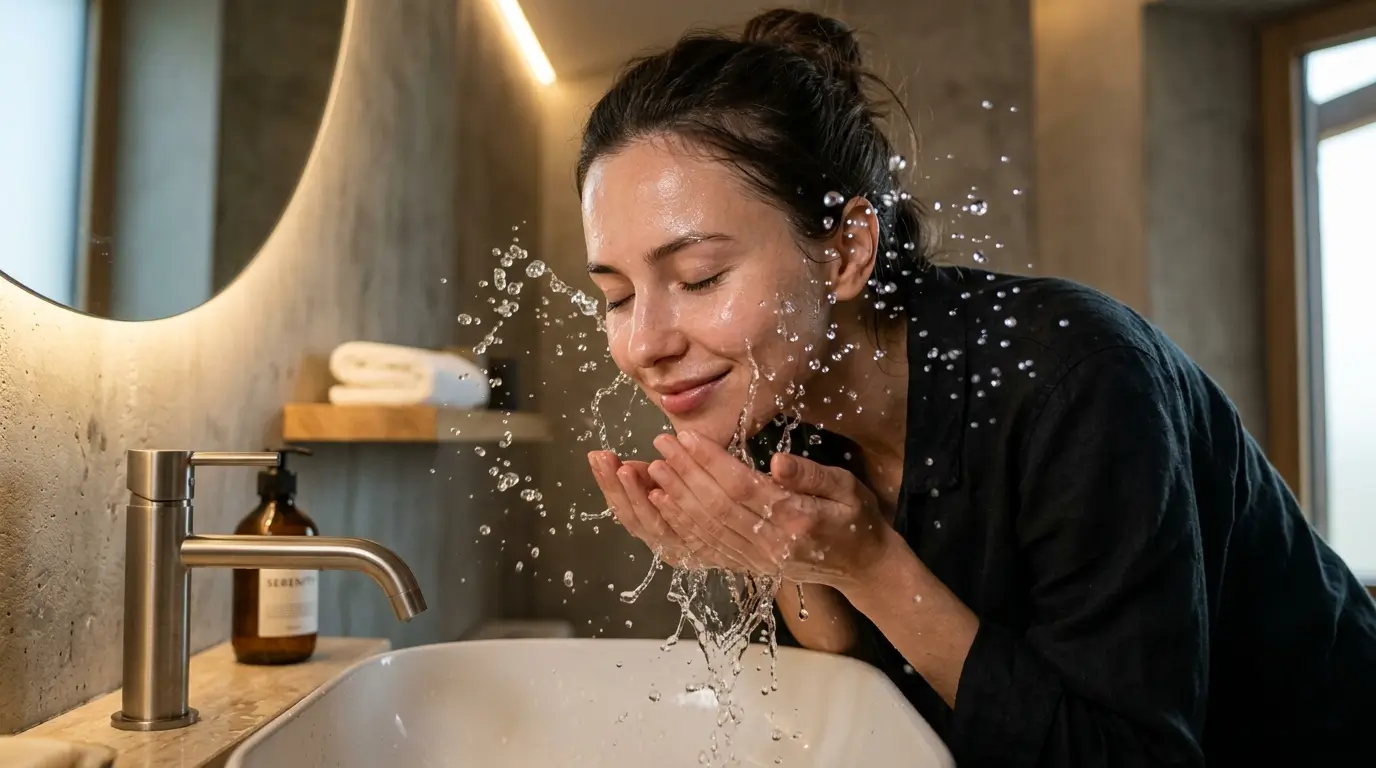
The first line of defense is Lukewarm water. Hot water releases the natural lipids and activates mast cells, which in turn release histamines, but icy water does not dissolve grime. Quick Night Regimen for Allergy Prone Users Wash hands with gentle cupped hands for 30 seconds. Maintain a light pressure on your fingers and avoid mechanical friction that results in redness and hives like patches on the reactive cheeks.
Use a clean microfiber cloth that you only use on your face to pat dry your skin. Quick Night Regimen for Allergy Prone Users Avoid re-using the hand towel hanging by the washbasin as it collects settling dust and hand soap residue which causes irritation to the face.
Step 2: Wash with a Fragrance-Free Surfactant
Try using a non-foaming soap-free cleanser that is kind of your sensitive acid mantle. Quick Night Regimen for Allergy Prone Users Foamers are often made with harsh sulfates that remove ceramides that help protect the skin and allow irritants in the air to penetrate deep into the dermis.
Choose an unflavored formula that has a short list of ingredients, such as Vanicream Gentle Facial Cleanser or Cetaphil Gentle Skin Cleanser. Quick Night Regimen for Allergy Prone Users Apply the product to the cheeks, forehead and jaw line and massage in smooth, circular movements for about 20 seconds. Don't scrub too hard or the sensitive nerve endings will be stimulated and will cause an immediate flushing effect.
Rinse off completely with comfortable water to wash off all surfactant. Quick Night Regimen for Allergy Prone Users This is because soapy residue will leave a dry film over your cells, which will suck the moisture out of you overnight, making a difference in redness the next morning.
Why a Quick Night Regimen for Allergy Prone Users Requires Barrier Support
Reactive complexions have a weak lipid barrier and are vulnerable to environmental triggers entering through the lipid barrier of the epidermis. Quick Night Regimen for Allergy Prone Users Your skin barrier weakens quickly when pollen levels rise or indoors heating is switched on. The main thing about setting up a fast night's routine for someone who suffers from allergies is to make sure you put the tiny cracks to bed before you turn in.
Allergic skin is like an open window to pollen, dander and mold spores, while healthy skin does not. Layering basic physiological lipids onto clean skin, restores the wall to which they belong, keeping irritants out of it. Quick Night Regimen for Allergy Prone Users Avoid any products containing exfoliating acids, complicated toners or clarifying pads when your face is sensitive. Discuss only about recovery. Consider your evening skin care routine more of a shield than a treatment.

Step 3: Layer a Simple Ceramide Cream
Use a rich, oily cream on damp skin, after washing your face at night. Wet skin is better at holding water and will take in the water more efficiently than dry skin and will hold it under the outer surface until it evaporates.
Seek out creams containing ceramides, cholesterol and free fatty acids, like the CeraVe Moisturizing Cream or the Avene Tolerance Control Balm. These ingredients are similar to the building blocks of healthy tissue to be used for overnight repairing without the sting of sensitive nerves. Quick Night Regimen for Allergy Prone Users Use flat palms to push the cream in, not rub back and forth in the skin. Heat and friction will bother reactive skin, which is just what rubbing can provide.
If there is stinging when you apply it, your barrier is pretty porous. Quick Night Regimen for Allergy Prone Users Get rid of any active serums on your skin, and use only basic lipid creams until the burning stops.
Step 4: Protect Delicate Eye Zones with Pure Petrolatum
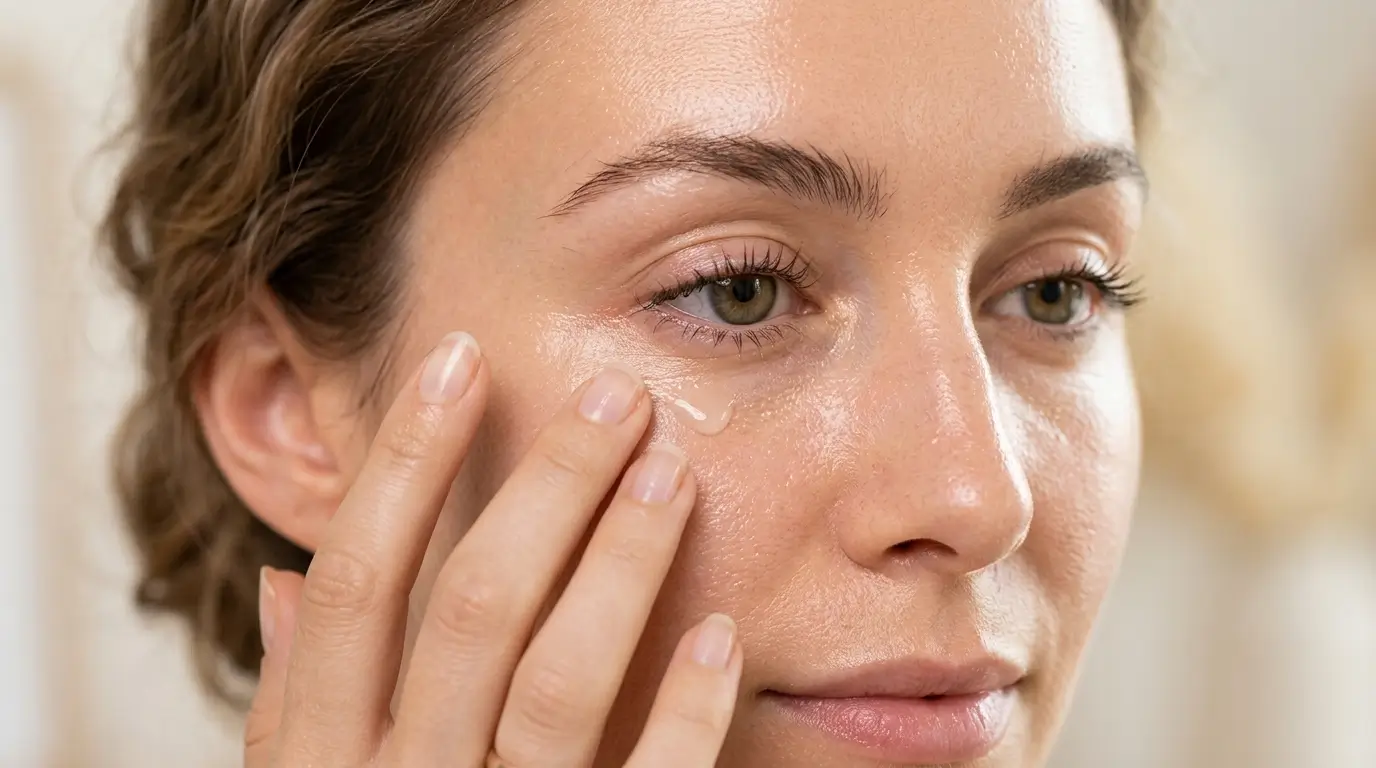
Place a simple occlusive layer over hyper-sensitive areas such as around your eyes and nostrils. The skin in the eyelid area is the thinnest skin on your body, which is why it's first choice for allergic contact dermatitis. Quick Night Regimen for Allergy Prone Users That pollen tends to get into the fine crease of your eyelids, and makes the eyelids appear flaky and swollen in the morning.
A small amount of white petrolatum or uncolored aquaphor will form a seal over these weak areas. Take a little grain of the mixture and rub it between your ring fingers, then gently massage it over the area in front of your eyes, around your nose and irritated nasal folds. Quick Night Regimen for Allergy Prone Users This is a simple barrier to the penetration of histamines during sleep. In my opinion, pure petrolatum is better than fancy eye creams come to think of it since it has no preservatives or botanical extracts that may cause a sudden reaction.
Step 5: Flush Nasal Passages to Reduce Facial Puffiness
Flush out your nose before you sleep to avoid waking up with puffy eyes and running nose. Quick Night Regimen for Allergy Prone Users When the sinuses are congested it decreases venous return around the eyes, causing dark circles and puffy lid symptoms that tend to worsen at night.
Also Read: No-Fail Nighttime Routine for Single Parents 2026A sterile saline nasal rinse using a squeeze bottle or nasal mist can help to clear any trapped allergens from the nose. Thirty minutes before sleeping, use distilled water with pharmaceutical salt. This helps to remove pollen, pet dander and dust particles from your home and prevents your immune system from remaining on high alert all night. Quick Night Regimen for Allergy Prone Users Easier nasal breathing also helps to reduce mouth breathing, leaving your lips and facial skin from drying out at night.
Step 6: Create an Allergen-Proof Sleep Sanctuary
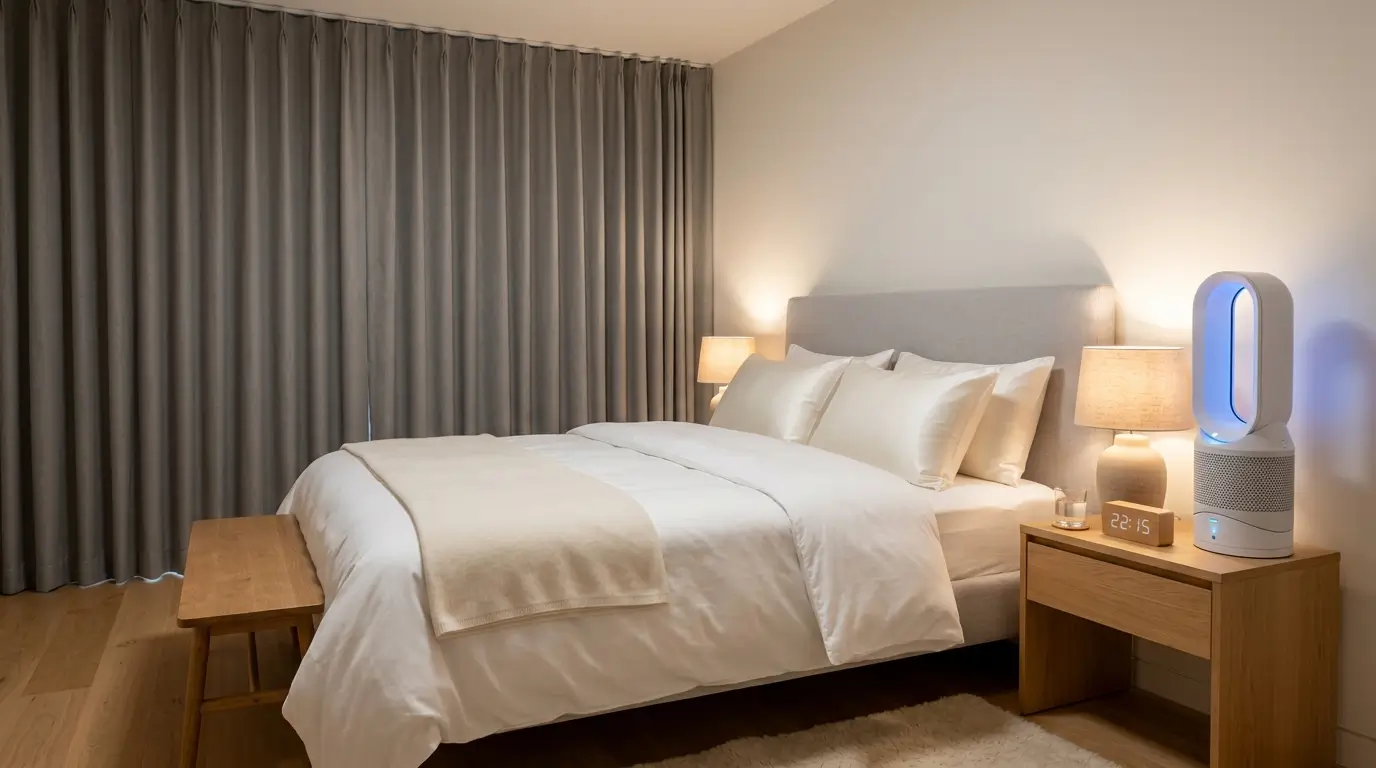
Create a beautiful room atmosphere so that your nightly skin care routine does not go down the drain when you get into bed. A good evening's sleep is undone when you spend eight hours on a dusty pillow.
- Use dust mite-proof pillow and mattress covers that fasten with a zipper to remove dust mite waste.
- Change pillowcases often, every 3 days or so, in hot water with unscented laundry detergent.
- During high pollen seasons, keep windows closed to prevent pollen particles from getting inside on your bedding.
- Use a true HEPA air purifier near the bed to remove microscopic spores from the air.
- Don't have pets sleep on the bed to avoid pet dander build-up.
The clean room allows your skin to repair itself without having to battle the constant irritants.
Common Pitfalls to Avoid
Avoid common pitfalls that can sabotage your relaxing night. Many people will stymie their efforts by believing in products that are marketed as “all-natural” or “organic.” Plant extracts, essential oils and botanical fragrances are common allergens that often cause contact dermatitis.
- Do not use essential oils such as lavender, tea tree and eucalyptus in night products.
- Avoid using any physically abrasive scrubs or washcloths which may rip small pieces of skin.
- Avoid using strong acids such as glycolic or salicylic during an active allergy attack.
If you are facing with seasonal flares, then your skin care should remain on a defensive posture. Cease changing the product every couple of days in an effort to get immediate results. Maintain your safe core routine for a few weeks, so that any underlying inflammation can resolve on its own.
Frequently Asked Questions
How Long Should a Quick Night Regimen for Allergy Prone Users Take?
The entire evening routine requires 5 to 7 minutes. Just a simple skin rinse, a soothing skin cleanser, a simple ceramide cream, and a spot-on moisturizing ointment. A quick process helps to avoid too much friction and this often leads to sensitive and reactive skin.
Can I Use Retinol if My Skin Is Prone to Allergies?
Consider holding off on retinoids during peak allergy seasons. Retinoids temporarily loosen the outer skin layer, letting pollen and dust mites be absorbed by deeper layers of tissue. Only reintroduce gentle vitamin A derivatives back into your evening routine after your redness, itching and nasal congestion have subsided.
Why Does My Face Itch More When I Lie Down at Night?
Your body's natural cortisol levels decline at night, which raises the systemic inflammation levels, worsening itchy signals. Lying down also allows blood to flow to your facial capillaries. This change, along with bedroom dust and dry indoor air, is what makes insufferable nighttime itching fits.
Should I Wash My Hair Before Bed During High Pollen Seasons?
Yes, washing your hair before you go to bed reduces the amount of outdoor pollen that you can transfer right onto your pillow. If you don't want to shampoo your hair every day, wash your hairline and bangs with water, then secure your hair in a neat, fresh, breathable cotton bonnet or Silk scarf.
What Is the Best Pillowcase Fabric for Reactive Skin?
The best mulberries are mulberry silk or tightly woven cotton fabric, 400 thread count. Silk is softer than traditional synthetic textiles and doesn't absorb as much moisture. Regardless of the type of material you select, wash it regularly with hot water and liquid unscented, hypoallergenic laundry detergent.
Conclusion
There is no need to go to a dozen expensive serums or use a lot of complicated steps to calm reactive skin. Using simple, barrier-protecting products and removing the allergens (from the day) will allow your face the relief it needs to heal overnight. What is the one product you always use to cool your skin down when it gets flushed?