

Top Rated Skincare Regimen for Retirees That Works
Building a top rated skincare regimen for retirees changed completely for my mother after she turned 67 and finally stopped using the same drugstore cold cream she'd relied on since the 1980s. Her skin had shifted in ways she wasn't expecting, thinner, drier, more reactive to things that never bothered her before. Top Rated Skincare Regimen for Retirees What worked at 45 simply stopped working. Starting fresh felt overwhelming. But it didn't need to be, and what she landed on was simpler than anyone expected.
How Skin Actually Changes After Retirement Age
Skin after 60 behaves differently from skin at 40, and understanding why makes choosing products so much easier. Collagen production drops significantly with age, which reduces firmness and makes skin thinner overall. Top Rated Skincare Regimen for Retirees The skin barrier also becomes less efficient, meaning moisture escapes faster and irritants get in more easily. On top of that, oil glands slow down, so the natural protective layer that skin once produced on its own becomes unreliable.
Sun damage that accumulated over decades starts showing up more visibly as dark spots, uneven texture, and deeper lines. Top Rated Skincare Regimen for Retirees Cell turnover slows dramatically, so dead skin cells linger longer on the surface, creating that dull, lackluster look that no amount of sleep seems to fix. Medications common in retirement years, including blood pressure medications, diuretics, and certain cholesterol drugs, can also cause or worsen dryness as a side effect. Knowing all of this before buying a single product saves a lot of wasted money.

Step 1: Start With a Creamy, Non-Stripping Cleanser
Foaming cleansers that feel squeaky clean are almost always too harsh for mature skin. Top Rated Skincare Regimen for Retirees That tight, stripped feeling after washing is your skin barrier sending a distress signal, and ignoring it leads to more dryness, more irritation, and eventually more visible lines.
A cream or milk cleanser is the right starting point for any top rated skincare regimen for retirees. The CeraVe Hydrating Facial Cleanser remains one of the best options available because it cleans effectively without disturbing the moisture barrier. Top Rated Skincare Regimen for Retirees It contains ceramides, which are lipids your skin naturally produces less of as you age, and rinsing it off doesn't leave that uncomfortable tightness behind. For skin that leans very dry, the Embryolisse Lait-Crème Concentré works as both a cleanser and a light moisturizer in one step. Wash once in the morning and once before bed. That's enough. Over-cleansing is a real problem for mature skin that people rarely talk about.
Step 2: Use a Hydrating Toner or Essence, Not an Astringent
Most people over 60 grew up using alcohol-based astringent toners, and that habit is worth breaking immediately. Top Rated Skincare Regimen for Retirees Alcohol strips the skin barrier, and mature skin doesn't have the resilience to recover from that kind of treatment the way younger skin does.
A hydrating toner or essence adds a layer of lightweight moisture between your cleanser and your other products, which genuinely improves how well everything else absorbs. The Hada Labo Gokujyun Premium Lotion is a fantastic and affordable option, around $12, loaded with multiple forms of hyaluronic acid that pull water into the skin. Top Rated Skincare Regimen for Retirees Pat it in gently with your palms rather than swiping with a cotton pad. The patting motion helps with absorption and is much gentler on skin that has become thinner and more fragile with age. Skip this step if it feels like too much to manage at first, but most people find it becomes the step they most look forward to.
Step 3: Apply a Rich, Targeted Serum
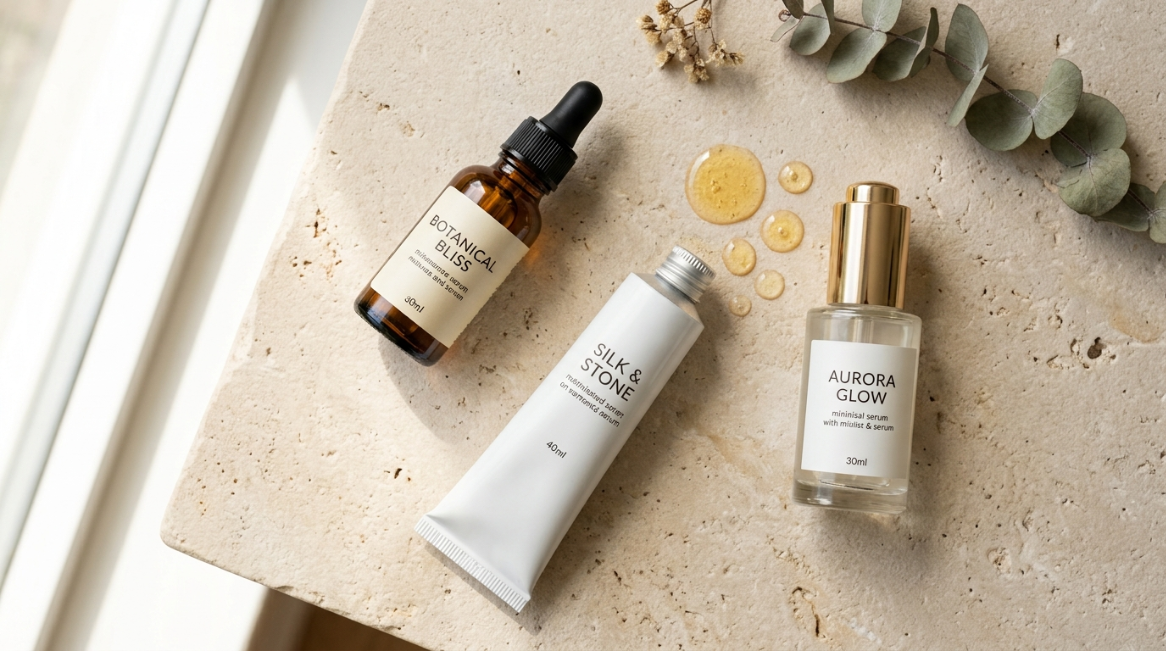
Serums are where the real work happens in any mature skincare routine. Top Rated Skincare Regimen for Retirees They carry active ingredients at higher concentrations than moisturizers, and for skin over 60, a few specific ingredients make a significant visible difference over time.
Retinol remains the most researched ingredient for addressing the visible signs of aging, including fine lines, uneven skin tone, and sluggish cell turnover. For retirees starting with retinol for the first time, begin with a low concentration, around 0.025% to 0.1%, used just two nights per week.
The RoC Retinol Correxion Line Smoothing Serum is a widely trusted option in that gentle range and costs around $25. If retinol causes irritation, which it sometimes does on very sensitive or very dry skin, bakuchiol is a plant-based alternative that research increasingly supports as a gentler option. The Bybi Beauty Bakuchiol Booster is a good entry point.
Vitamin C serums work well in the morning routine for brightening dark spots. The SkinCeuticals C E Ferulic is excellent but expensive at around $180. The Timeless 20% Vitamin C + E Ferulic Acid Serum delivers comparable results for under $25.
Step 4: Moisturize Generously and Without Apology
Mature skin needs more moisture than most people give it, and choosing the right moisturizer matters more than almost any other step. Lightweight gel moisturizers designed for oily skin simply don't provide enough for skin that has become thin and dry with age.
Look for a rich cream that contains a combination of humectants, emollients, and occlusives. Humectants like hyaluronic acid draw water in. Emollients like shea butter and fatty acids smooth and soften. Occlusives like petrolatum or squalane seal everything in. Top Rated Skincare Regimen for Retirees The Neutrogena Rapid Wrinkle Repair Regenerating Cream hits all three categories and costs under $25.
For skin that leans very dry, the First Aid Beauty Ultra Repair Cream is deeply nourishing without feeling heavy or greasy. Apply moisturizer to slightly damp skin right after your serum for the best absorption. Morning and night, every single day, no exceptions.
Step 5: Sunscreen Every Morning, Full Stop
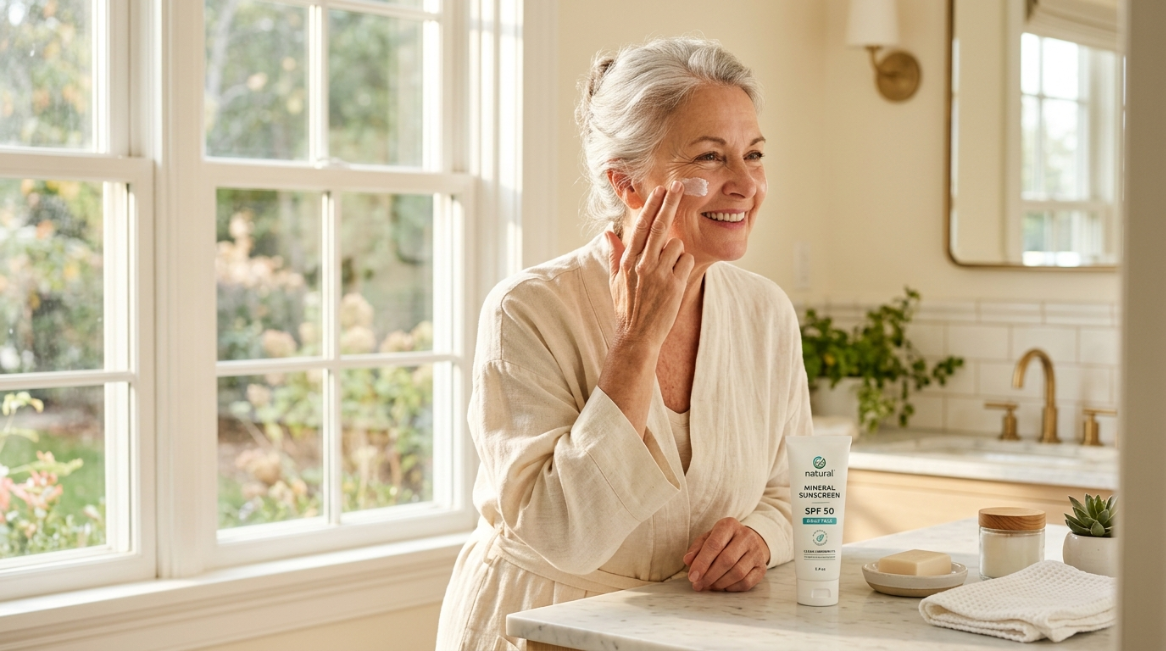
If there is one non-negotiable step in a top rated skincare regimen for retirees, it is daily sunscreen. Decades of sun exposure already live in your skin, and UV rays continue causing damage regardless of age. Wearing sunscreen now prevents further dark spots, protects the collagen you still have, and helps every other product in your routine work more effectively.
Mineral sunscreens containing zinc oxide or titanium dioxide tend to suit mature skin better than chemical options because they sit on top of the skin rather than absorbing into it, which reduces the chance of irritation. The EltaMD UV Physical Broad-Spectrum SPF 41 is a gentle, elegant option that leaves no heavy white cast on most skin tones.
The La Roche-Posay Anthelios Mineral SPF 50 is another reliable choice and slightly more affordable. Apply a generous amount every morning as the final step of your routine. Top Rated Skincare Regimen for Retirees Reapply if you spend significant time outdoors. No other single product does more for long-term skin health.
Step 6: Add a Weekly Treatment for Extra Support
Once the daily routine feels comfortable and consistent, a weekly treatment adds meaningful support without overcomplicating things. For mature skin, the two most useful weekly additions are a gentle exfoliant and a deeply hydrating mask.
A chemical exfoliant removes the buildup of dead skin cells that make mature skin look dull and rough. The Paula's Choice Skin Perfecting 8% AHA Gel Exfoliant is one of the gentlest and most effective options available, and using it just once a week is enough to see real improvement in texture and brightness within a month. Top Rated Skincare Regimen for Retirees On a separate night, a hydrating sheet mask or sleeping mask gives the skin an intensive moisture boost.
The Laneige Water Sleeping Mask is a consistently beloved option that costs around $25 and leaves skin noticeably softer and plumper by morning. Top Rated Skincare Regimen for Retirees These two additions, used on different nights each week, round out what I genuinely consider the most complete and top rated skincare regimen for retirees without turning the bathroom into a pharmacy.
Also Read: Top Skincare Products for New Parents Who Are Exhausted 2026The Products That Didn't Make the Cut
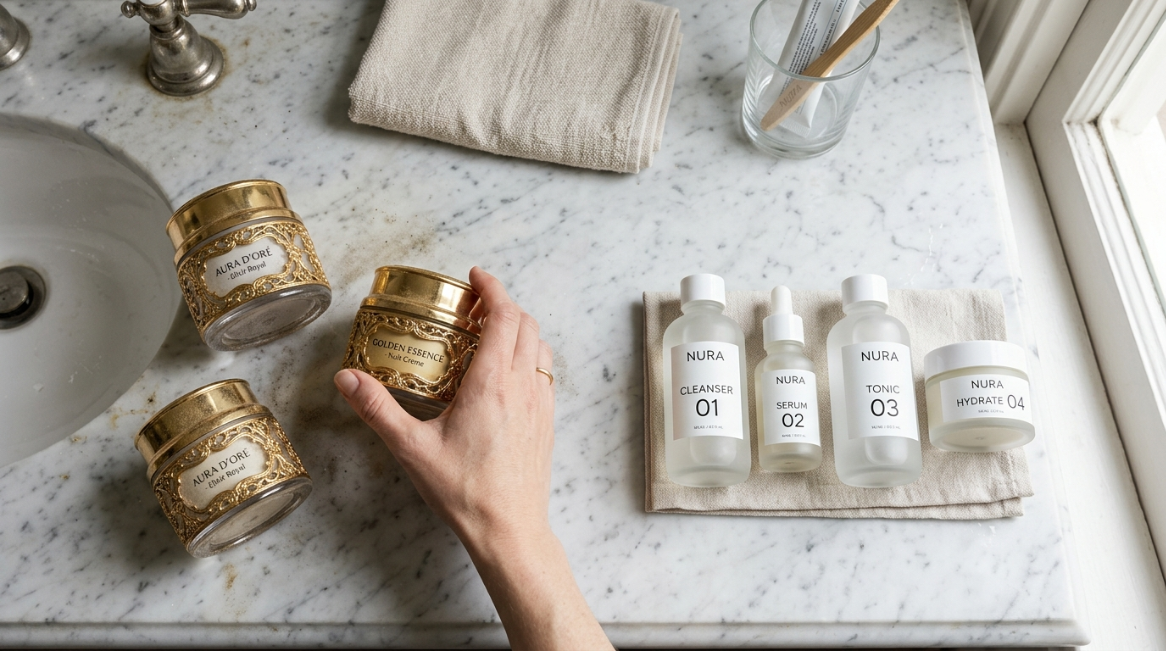
IMO, this conversation matters just as much as which products to use. Plenty of skincare marketed specifically at mature or aging skin leans heavily on luxury packaging and vague promises without delivering meaningful ingredients.
Several high-end department store creams my mother tried over the years cost between $80 and $150 and contained mostly fragrance, filler ingredients, and marketing language. Top Rated Skincare Regimen for Retirees Fragrance is particularly worth avoiding in mature skincare because older skin is more reactive and fragrance is one of the most common causes of contact dermatitis.
Check ingredient lists before buying anything. If fragrance, parfum, or essential oils appear in the first ten ingredients, put it back on the shelf. The most effective products for mature skin tend to focus on barrier repair, deep hydration, and proven actives like retinol, vitamin C, and peptides. Everything else is mostly noise.
FAQs
What is the top rated skincare regimen for retirees with very sensitive skin?
Focus on fragrance-free, minimal-ingredient products from brands like CeraVe, La Roche-Posay, and Vanicream. These lines are formulated specifically for reactive skin and are widely recommended by dermatologists. Introduce one new product at a time, wait two weeks before adding anything else, and avoid retinol until your barrier feels stable and comfortable.
Is retinol safe to use on skin over 65?
Yes, but start low and go slow. Begin with 0.025% or 0.05% concentration used once or twice weekly, and always apply moisturizer afterward. Very thin or very dry skin may need to sandwich retinol between two layers of moisturizer to avoid irritation. If your skin doesn't tolerate it, bakuchiol is a well-supported alternative worth trying.
How long does it take to see results from a new skincare routine?
Realistically, expect four to six weeks before noticing meaningful changes in hydration and texture. For concerns like dark spots and deeper lines, give it three to four months of consistent daily use. Skin cell turnover slows with age, which means results take longer to appear but are very real when the routine stays consistent.
Should retirees use eye cream or is regular moisturizer enough?
The skin around the eye area is significantly thinner than the rest of the face and benefits from a product formulated specifically for that zone. A regular moisturizer can work in a pinch, but dedicated eye creams with peptides or caffeine address puffiness, dark circles, and fine lines more directly. The Olay Eyes Pro-Retinol Eye Treatment is a gentle and affordable option.
Can retirees use the same skincare products year-round?
Skin needs shift with the seasons, and most people over 60 benefit from a richer moisturizer in winter and a slightly lighter one in summer. Sunscreen and retinol stay consistent year-round. If your skin feels tighter and drier in colder months, that's a reliable signal to bump up to a heavier cream rather than using more of your current one.
Conclusion
Skincare after retirement doesn't need to be complicated, expensive, or overwhelming to make a real difference in how your skin looks and feels. A handful of well-chosen products used consistently will always outperform a cabinet full of things used randomly. What's the one step you've been skipping that you know your skin has been asking for?