


Affordable Skincare Routine for Tight Budgets That Works
Building an affordable skincare routine for tight budgets saved my skin during one of the most financially stressful years of my life. I had just moved into my first apartment, groceries were a priority, and a $60 serum was genuinely laughable. But my skin didn't care about my bank account. It was dry, breaking out, and unhappy. So I figured out how to fix it without spending more than $40 total on everything. Here's the full picture.
Why Cheap Skincare Gets a Bad Reputation It Doesn't Deserve
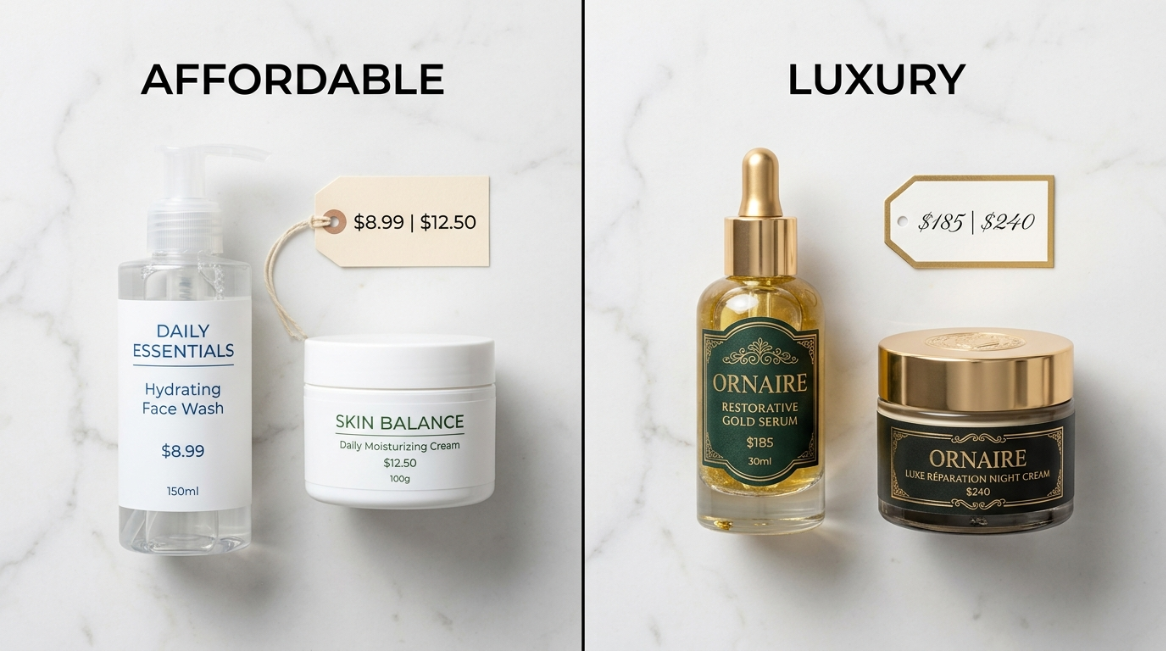
The beauty industry has done an impressive job convincing people that price equals quality. Spend time on any skincare forum and you'll see people swearing that only a $120 moisturizer saved their skin, followed immediately by someone else getting the same results from a $9 drugstore cream. The truth is that effective skincare is about ingredients, not branding.
The most studied and proven skincare ingredients, things like niacinamide, hyaluronic acid, retinol, glycerin, and ceramides, are available in affordable products just as often as expensive ones. What you pay for at the high end is usually packaging, fragrance, brand prestige, and celebrity-funded marketing. None of those things make your skin better. Understanding this fundamentally changes how you shop and makes building a genuinely effective affordable skincare routine for tight budgets feel much more straightforward than the industry wants you to believe.
Start With the Right Cleanser and Nothing Fancy
The first step in any routine is cleansing, and it's also the easiest place to go wrong by overspending. A cleanser stays on your face for about 30 seconds before you rinse it down the drain, which means you're literally washing money away if you're buying an expensive one.
The CeraVe Hydrating Facial Cleanser costs around $12 to $14 and works for almost every skin type. It contains ceramides and hyaluronic acid, cleans thoroughly without stripping, and one bottle lasts about two months with twice-daily use. If your skin runs oily, the CeraVe Foaming Cleanser in the same price range gives a slightly deeper clean without feeling harsh. Both are available at Walmart, Target, and most drugstores. If you want to go even cheaper, the Vanicream Gentle Facial Cleanser runs under $10 and is one of the cleanest, most minimal formulas available anywhere. Wash twice a day. Skip the fancy stuff. Your skin genuinely cannot tell the difference.
Also Read: Top Rated Skincare Regimen for Retirees That Works 2026The One Moisturizer Worth Every Cent of Its $10 Price Tag
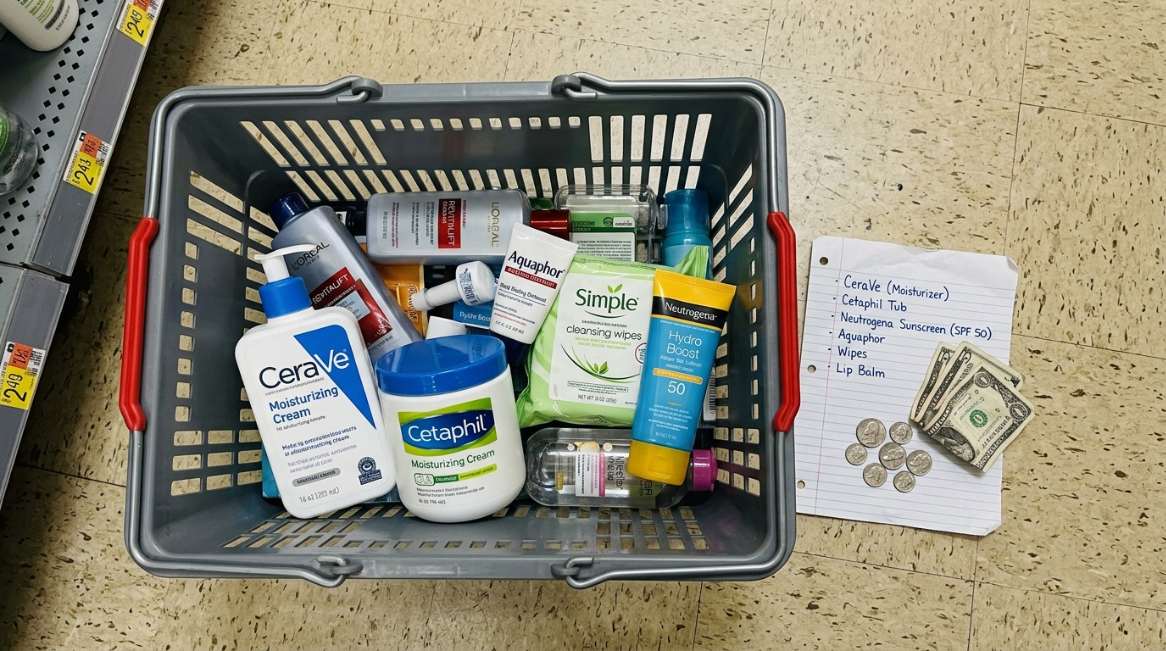
Cetaphil Moisturizing Cream has been around for decades and remains one of the most dermatologist-recommended moisturizers at any price point. A large tub costs around $10 to $13 and lasts three to four months easily because a little goes a long way. It works for dry, normal, and sensitive skin types and contains no fragrance, no dyes, and no ingredients that commonly cause reactions.
Apply it while your skin is still slightly damp after cleansing. That extra moisture gets sealed in rather than lost to the air. For skin that runs oily or combination, the Neutrogena Hydro Boost Water Gel at around $17 to $20 is worth the small extra spend because it hydrates intensely without adding any heaviness or shine. Both options prove that an affordable skincare routine for tight budgets doesn't require sacrificing results. You're not compromising by choosing these products. You're just choosing smarter.
Sunscreen Is the Most Important Step, and It Costs Less Than Coffee
Skipping sunscreen because it feels like a luxury expense is one of the most costly long-term mistakes a person can make. UV damage is the single biggest external contributor to visible aging, dark spots, and uneven skin tone. Every serene, glowing 60-year-old you've ever admired almost certainly wore sunscreen consistently for decades.
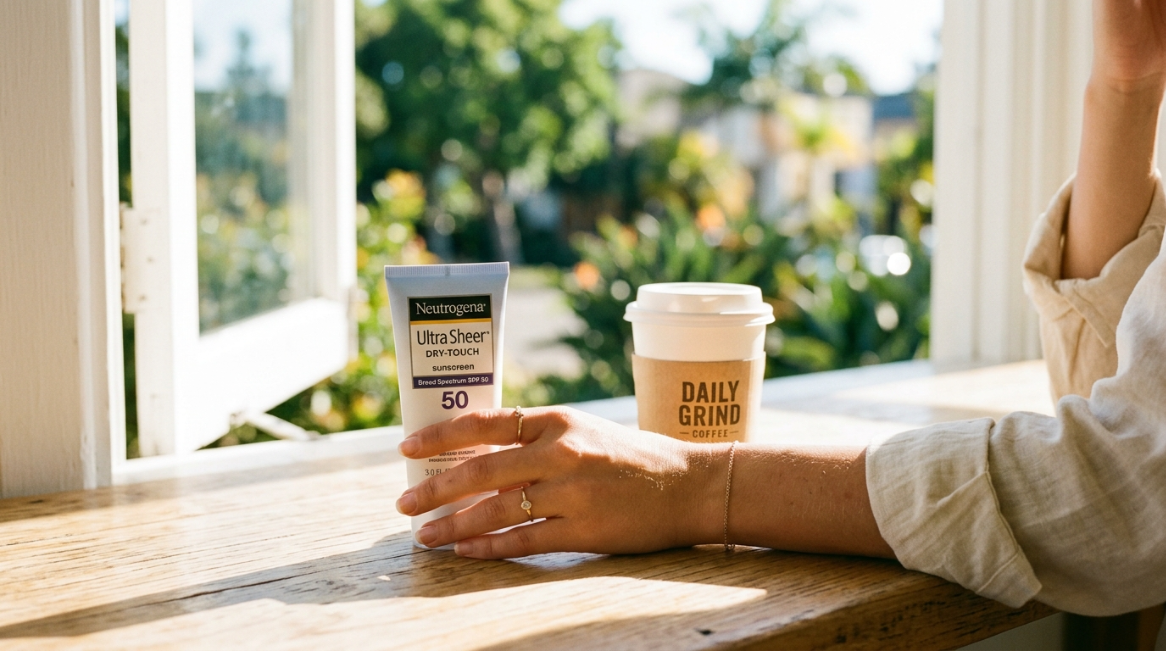
The Neutrogena Ultra Sheer Dry-Touch SPF 50 costs around $10 to $12 and has been a reliable staple for years. It absorbs quickly, doesn't leave a white cast on most skin tones, and wears comfortably under anything else you apply. The Banana Boat Light As Air SPF 50 is another solid option at a similar price. Apply it every single morning as the last step before leaving the bathroom. FYI, this is the one step I never skipped even during the tightest months, because the cost of reversing sun damage later, both financially and physically, is so much higher than a $10 bottle of sunscreen right now.
Adding a Treatment Without Blowing the Budget
Once the three basics, cleanser, moisturizer, and sunscreen, feel consistent and automatic, adding one treatment product makes a real difference. The key word is one. Not five. Not a whole new shelf of products. One targeted ingredient that addresses your main skin concern.
For acne and blackheads, The Ordinary Salicylic Acid 2% Anhydrous Solution costs around $7 and works effectively used two to three nights per week. For dull skin or dark spots, The Ordinary Niacinamide 10% + Zinc 1% Serum runs about $6 and is one of the most versatile and well-researched serums available at any price. For dryness and a general plumping effect, The Ordinary Hyaluronic Acid 2% + B5 costs under $10 and adds noticeable hydration used before your moisturizer. The Ordinary brand exists almost entirely to prove that effective ingredients don't need to cost a fortune, and on that front, they genuinely deliver. Pick the one that matches your biggest concern and use it consistently for at least a month before judging results.
How to Build the Full Routine for Under $40
Putting this all together into real numbers is where the affordable skincare routine for tight budgets concept stops being abstract and starts being useful. Here is what a complete routine actually costs:
- CeraVe Hydrating Cleanser: $13
- Cetaphil Moisturizing Cream: $11
- Neutrogena Ultra Sheer SPF 50: $11
- The Ordinary Niacinamide 10% + Zinc: $6
Total: roughly $41, and every single one of these products lasts at least two months with daily use. That works out to about 68 cents per day for a complete morning and evening routine. Compare that to a single fancy serum that costs $80 and runs out in six weeks. The math is not subtle.
If even $41 feels like too much at once, start with just the cleanser and moisturizer, which costs about $24, and add sunscreen next paycheck. Build it out slowly. An incomplete routine used consistently beats a full routine you can't afford to maintain.
The Ingredients to Prioritize When Shopping Cheap
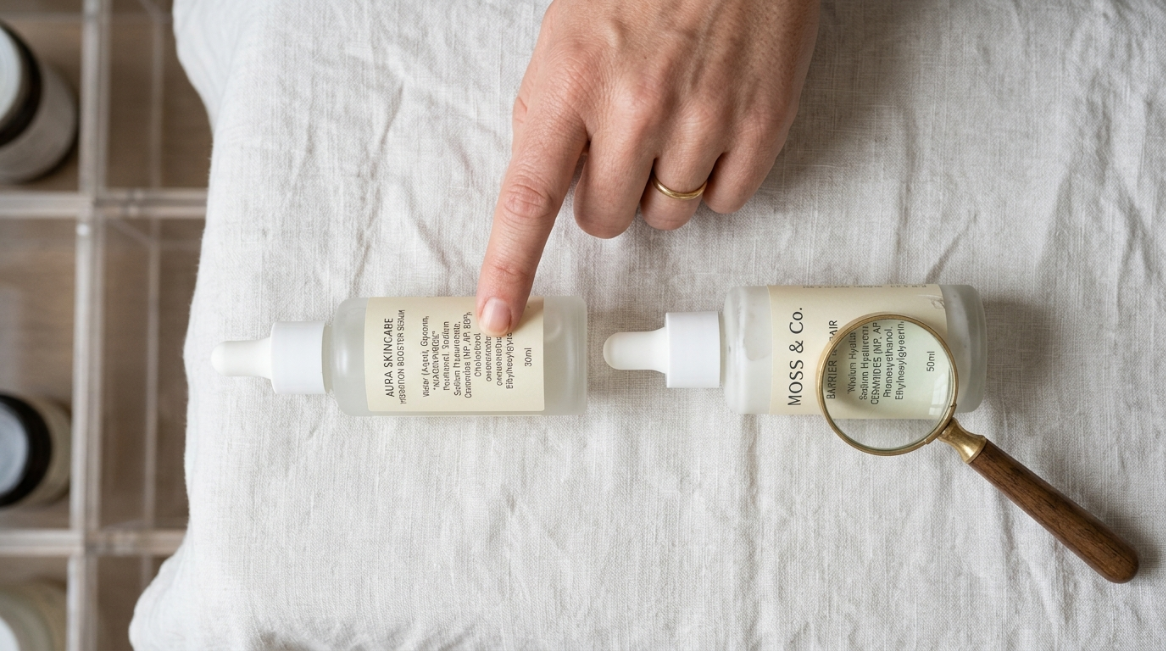
Not every affordable product is worth buying, and knowing which ingredients to look for helps you avoid wasting money on low-cost products that simply don't do anything useful. This is where a little label-reading goes a long way.
Ingredients worth seeking out on any budget:
- Niacinamide: brightens, reduces pores, calms redness
- Ceramides: repair and strengthen the skin barrier
- Hyaluronic acid: draws moisture into skin
- Glycerin: an inexpensive humectant that works extremely well
- Retinol: addresses fine lines and cell turnover, start low
- Salicylic acid: clears congestion and prevents breakouts
Ingredients worth avoiding in cheap products, because they often indicate a poorly formulated product:
- Fragrance or parfum listed high in the ingredient list
- Alcohol denat. as one of the first five ingredients
- Lots of filler silicones with no active ingredients following them
The good news is that the brands mentioned throughout this piece, CeraVe, The Ordinary, Neutrogena, Cetaphil, and Vanicream, are all transparent about their formulations and consistently prioritize functional ingredients over marketing fluff.
Shopping Smarter to Stretch Every Dollar Further
Knowing where to buy is almost as important as knowing what to buy. The same CeraVe cleanser can cost $12 at Walmart and $18 at an airport pharmacy. Prices vary more than most people realize, and a few habits make the budget stretch noticeably further.
Buy larger sizes when the per-ounce price is lower. The big tub of Cetaphil costs about the same as the small one but lasts three times as long. Check Walmart's Great Value skincare section, which stocks some genuinely solid basics for under $5. Amazon Subscribe and Save discounts run between 5% and 15% on most skincare staples if you use the same products consistently. CVS and Walgreens both run frequent buy-one-get-one sales on their skincare aisles that make stocking up genuinely worthwhile. IMO, timing a skincare restock to coincide with a CVS sale feels almost as satisfying as finding something marked down at a thrift store. Almost.
FAQs
Can an affordable skincare routine for tight budgets actually clear acne?
Yes, and often more effectively than expensive alternatives. Salicylic acid and niacinamide, both available for under $10 through brands like The Ordinary, are clinically supported acne treatments. The key is consistency, not cost. Using a $7 product every day produces far better results than using a $90 product twice a week when you remember.
Is The Ordinary brand really as good as people say?
For the price, absolutely. The formulations are straightforward, ingredient-focused, and free from unnecessary fillers. The trade-off is that some products have textures that take getting used to, and the brand offers very little guidance for beginners. Stick to niacinamide, hyaluronic acid, and salicylic acid when starting out, and you'll see why the brand has such a loyal following.
How do I know if a cheap moisturizer is actually working?
Your skin should feel comfortable, not tight or greasy, within 30 minutes of applying it. Over one to two weeks of consistent use, dryness should noticeably reduce and your skin should feel more supple. If you're still flaky, tight, or uncomfortable after two weeks, the formula isn't rich enough for your skin type and you need something more emollient.
What is the bare minimum I need if money is extremely tight?
A gentle cleanser and a basic moisturizer. Those two steps protect your skin barrier and prevent the kind of damage that costs far more to fix later. If you can only add one more thing, make it sunscreen. Those three products cover the fundamentals and keep your skin stable even when everything else has to wait.
Do I need different products for morning and night on a tight budget?
Not necessarily. The same cleanser and moisturizer work for both routines. The main difference is that sunscreen goes in the morning only, and any retinol or exfoliant you use goes at night only. Keeping your morning and evening routine identical except for those two swaps keeps costs low and the routine simple enough to actually stick with.
FAQs
Conclusion
Good skin and a tight budget are not opposites, and anyone who has spent real time in the drugstore skincare aisle knows that some of the most effective products in existence cost less than a meal out. The routine I described costs under $45 and genuinely works. What's the one product you've been curious about trying but kept talking yourself out of buying?